
JDD 2026: beyond Java, closer to real-world software engineering
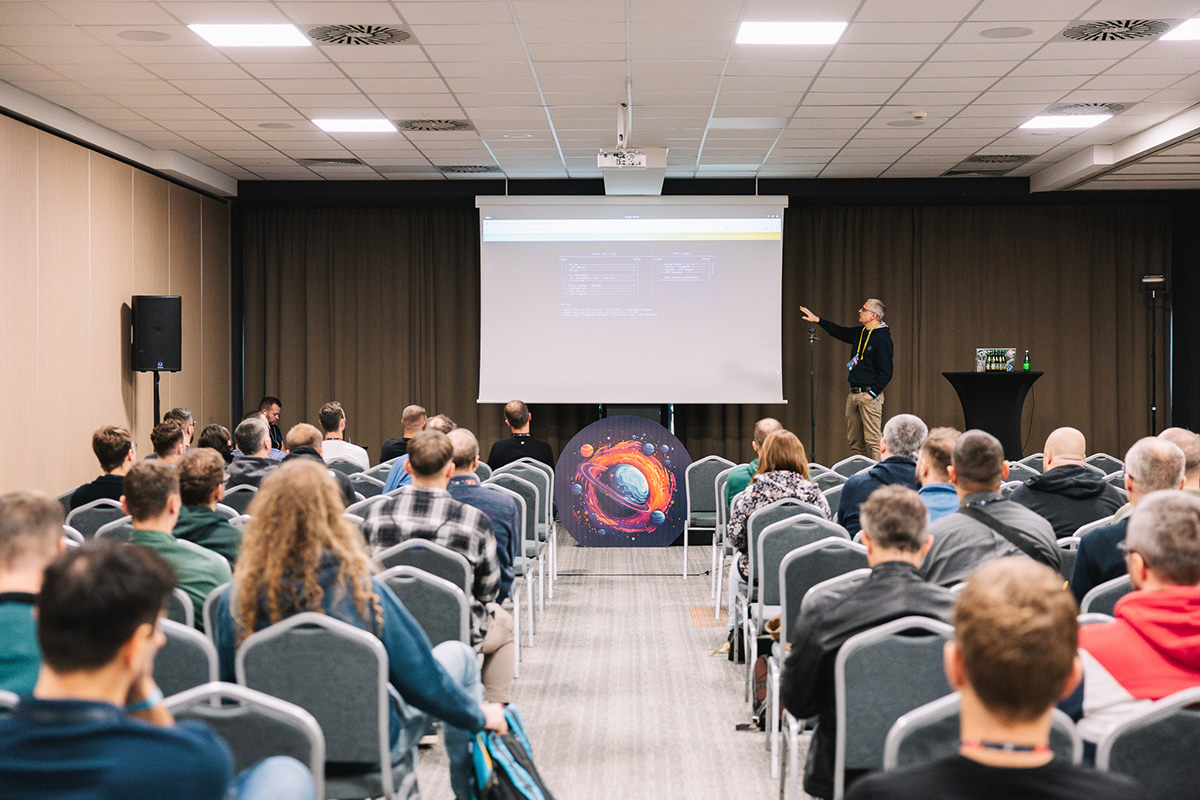
JDD has always been strongly connected to Java, and that hasn’t changed. What has changed is the way software is built, and that’s exactly what we’re reflecting in the 2026 edition. We’re expanding JDD beyond a single language and moving towards a broader view of modern software engineering.
If you’re new to the conference, start here: → What is JDD 2026
Why JDD is changing
Building software no longer ends with writing code. Systems are distributed, run in the cloud, operate at scale, and fail in ways that are often hard to predict. Engineers are expected to understand not just implementation, but also architecture, reliability, and production environments. That shift is the reason behind the new JDD formula.
What topics can you expect at JDD 2026?
You’ll still find Java here as an important part of many systems, but no longer as the boundary of the conference. JDD 2026 opens up to topics that reflect real-world challenges: distributed architectures, cloud platforms, scalability, resilience, and security.
What stays the same
What defines JDD remains unchanged. The conference continues to focus on practical knowledge. Talks are expected to be based on real experience – things that were built, shipped, and operated. We care about what worked, what didn’t, and what lessons came out of it. This is not a place for generic overviews or marketing-driven content.
Call for Papers is now open
With the new formula, the Call for Papers is open to a wider range of topics, but the expectations remain high. We’re looking for speakers who can share real stories from real systems – not theory, not trends, not slides created for the sake of presenting.
Submit your talk here: Call for Papers.
Deadline: 30 May 2026
Join JDD 2026
If you want to be part of JDD – as a speaker or attendee – now is the right moment. Tickets are available here: buy JDD 2026 tickets.
JDD 2026 isn’t about moving away from Java. It’s about acknowledging the reality of modern engineering and making space for it.
